Laks Institute
RESEARCH CAMPUSES & GRADUATE PROGRAMS
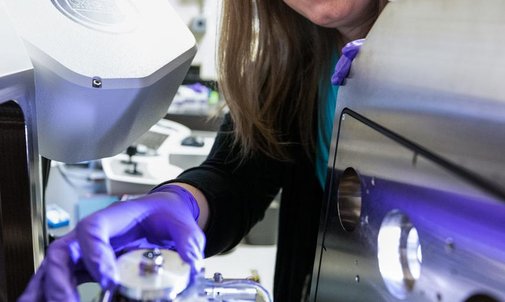
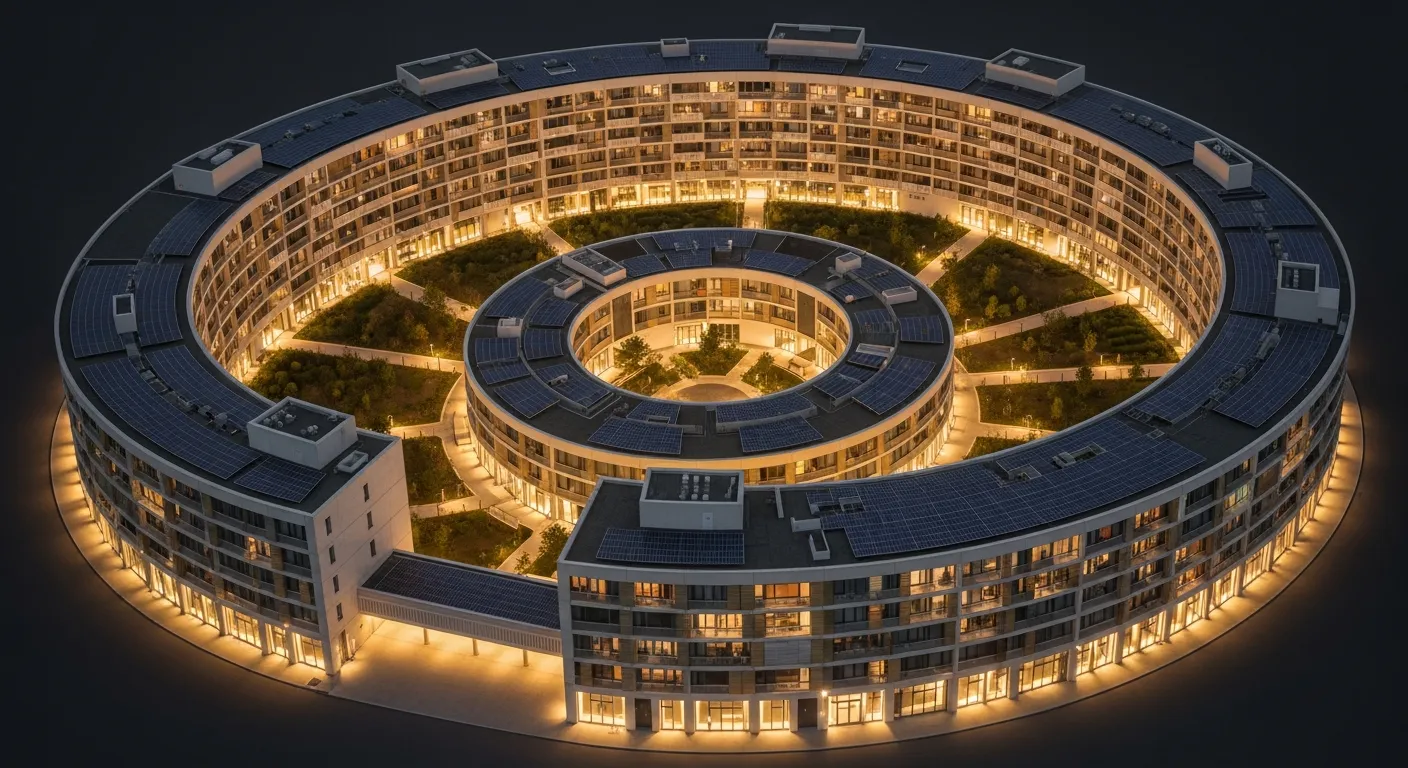
FIG 1.0 — CIVITAS PRIME: THE 1 KM × 1 KM SEED CAMPUS
Laks Institute trains the cross-disciplinary engineers that conventional universities do not produce. Each Laks Industries division operates hardware that spans multiple physics domains — a fusion reactor requires plasma physicists who understand superconducting magnets, vacuum systems, and materials science simultaneously. The Institute's four-stage curriculum progresses from foundational physics through division-specific specialization to cross-division systems integration, producing graduates who can design across interface boundaries. Research is published openly, reproducibility is enforced by protocol, and every thesis maps to an engineering application within five years.
CONCEPTS
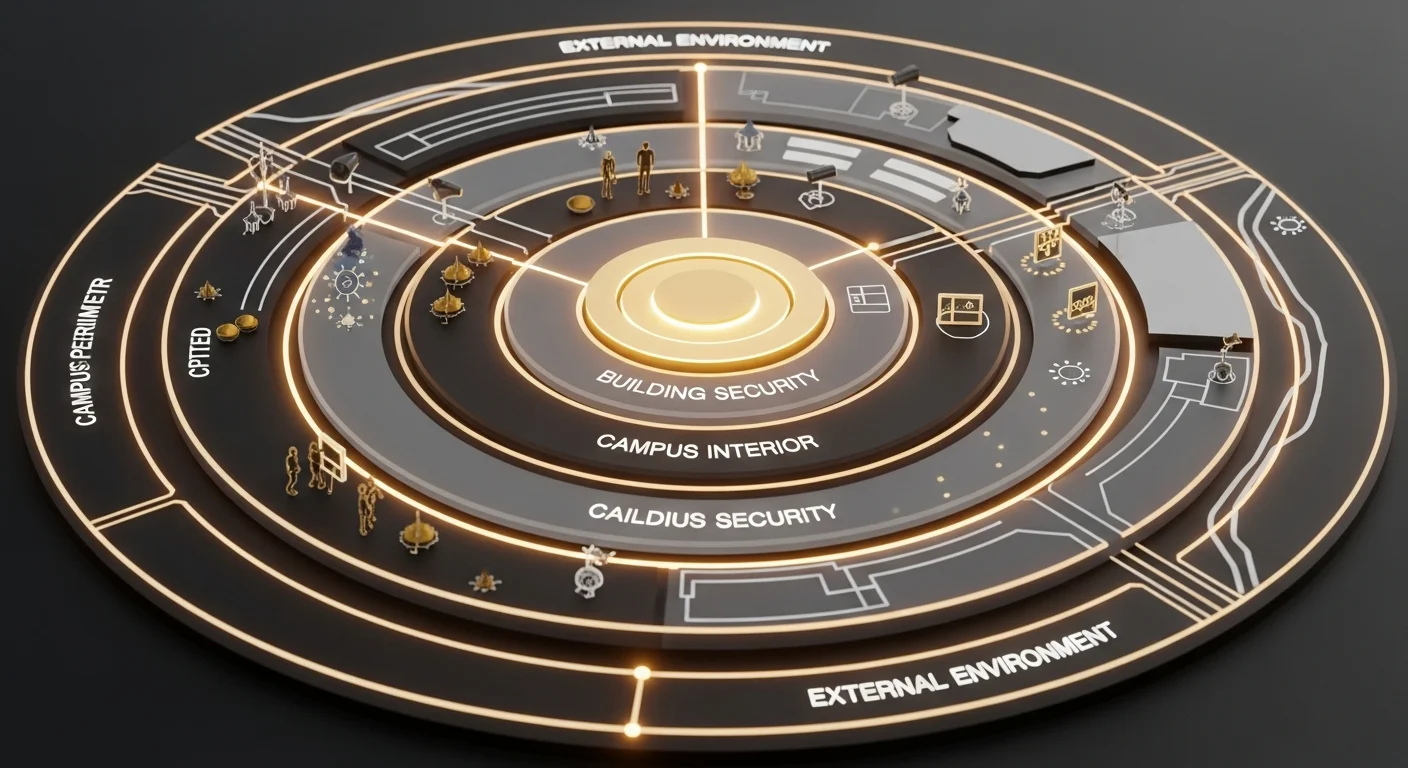
CAMPUS PERIMETER
01 // The Thesis
Why the Institute exists — the gap between physics and engineering that no conventional program addresses
SYSTEMS
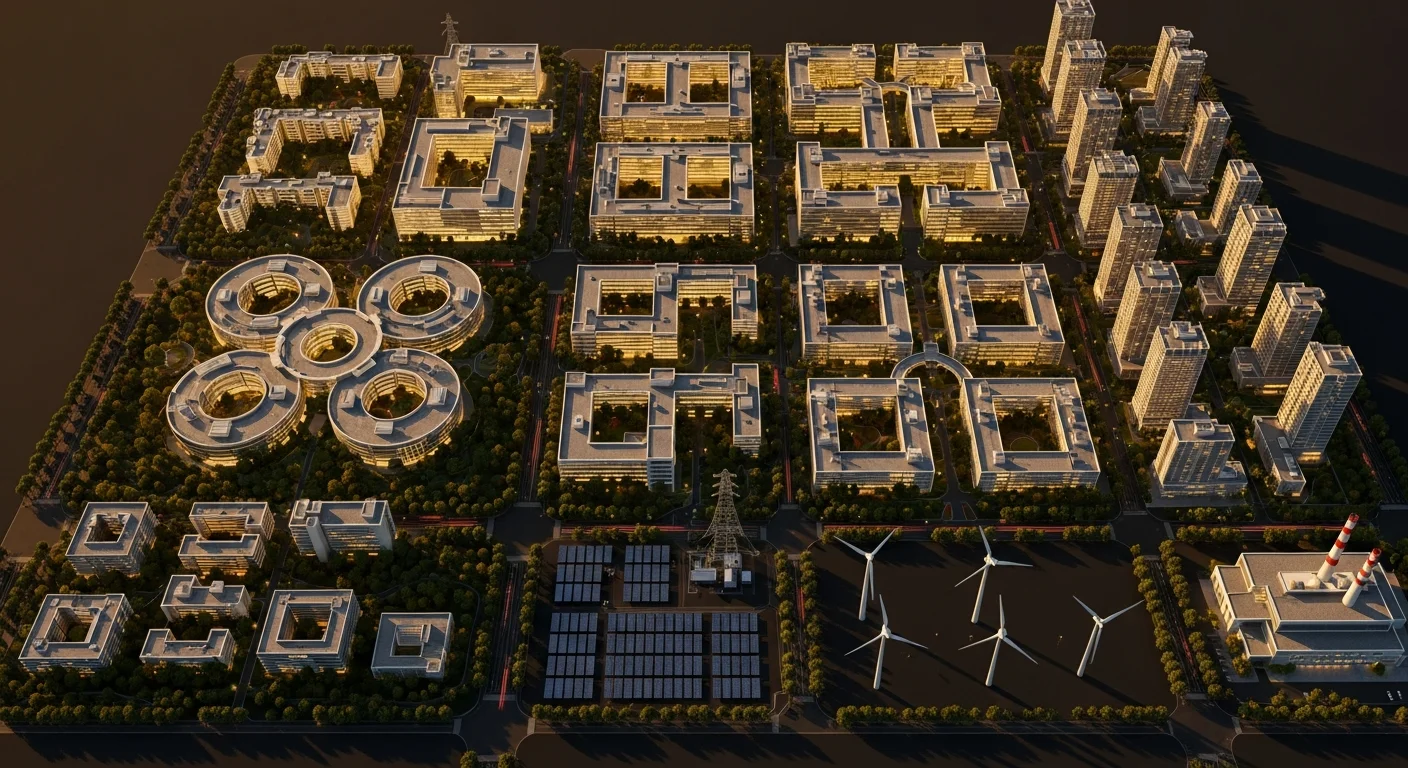
CIVITAS PRIME AERIAL
02 // Civitas Prime
The 1 km × 1 km seed campus — standing-wave geometry, fusion-powered infrastructure
03 // Curriculum
Four stages: foundations, division specialization, cross-division integration, frontier research
RESEARCH
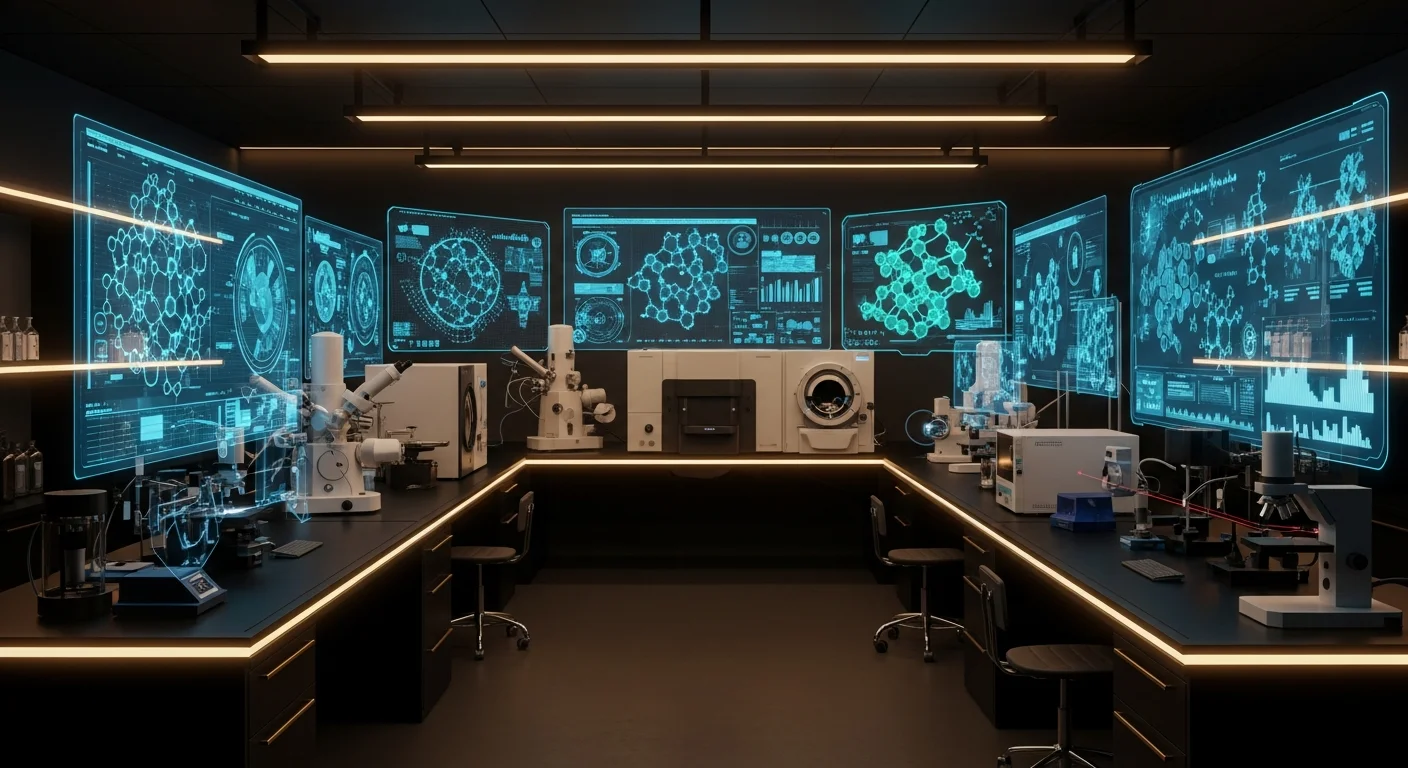
RESEARCH LAB
04 // The Library
Reference collection spanning plasma physics, materials science, synthetic biology, electromagnetic theory, and autonomous systems
05 // Research Repository
Annotated index of national laboratories, CERN programs, journals, and patents relevant to division research
06 // Division Integration
The talent pipeline: how Institute graduates enter division R&D programs
CROSS-DIVISION CONTEXT
HABITAT RINGS
The Institute provides trained personnel to every Laks Industries division. It receives research problems from divisions and returns graduates who have worked on those problems during Stage 3 integration projects. The Library serves as the shared reference collection across all division knowledge bases.